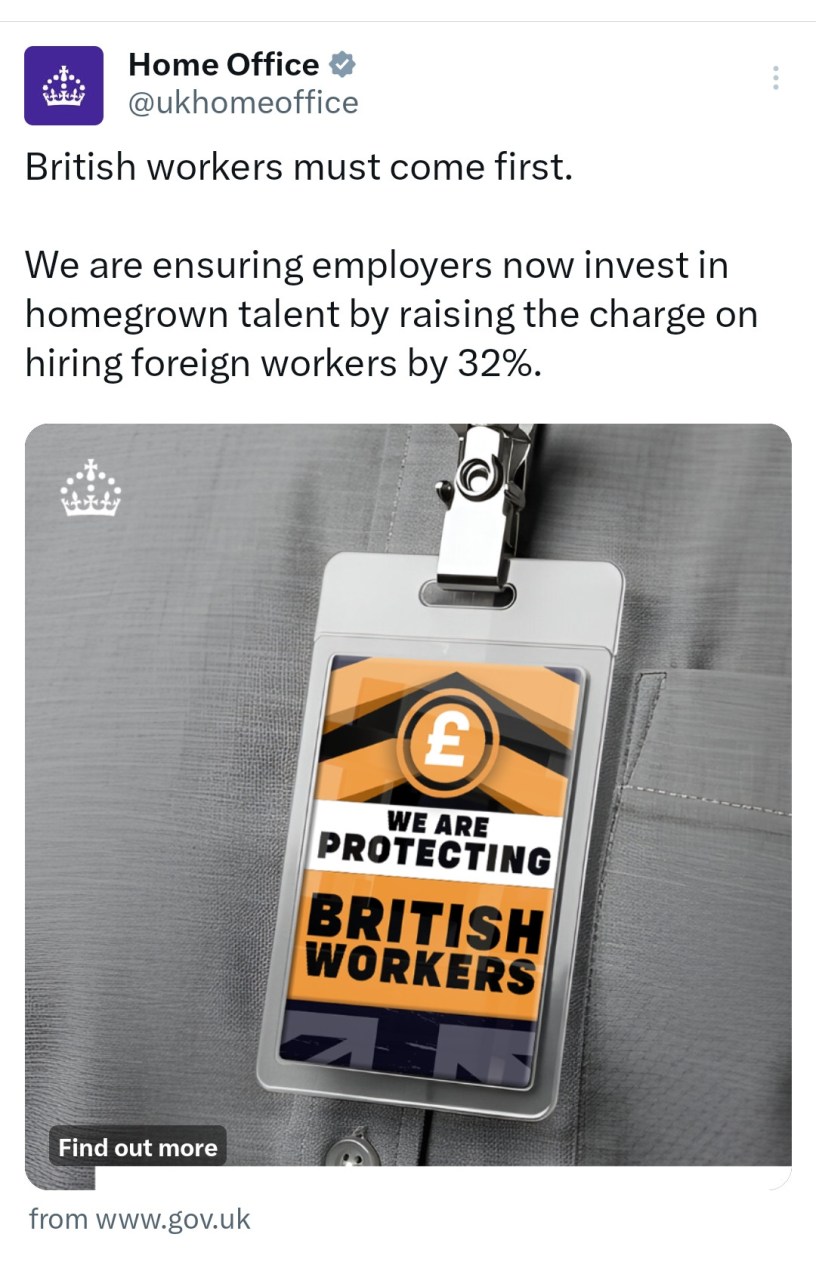
‘Thanks’ to the algorithm, this is what I woke up to every morning when I first looked at my phone. As a foreign-born Briton, it really sets the mood (not) for the day.
I deleted the first version of this Bluesky post because of a typo — given the Home Office’s obsession with “English proficiency”, you never know what the language police might be up to next. But the more I think about it, the more revealing this kind of messaging becomes. To millions of foreign-born Britons — including those like me who are now naturalised — such government campaigns read less like public information and more like a warning: “Stay in your place, keep your head down — you’re on borrowed time.”
Who exactly is the Home Office trying to reach with this campaign? According to the latest White Paper, the goal is to “cut net migration”. Do they really think their tweets will act as deterrent for new arrivals? Messages like these ripple across the lives of millions of foreign-born Britons who live, work, study, and raise families here. Instead of reassuring the public or promoting “control”, they foster unease and suspicion — making people who already contribute to British society feel unwelcome.
There are over 10 million foreign-born residents in the UK, according to the 2021 Census. But the reality of Britain’s diversity goes far deeper: many more Britons have at least one parent who was born abroad. In 2024, 40.4% of all live births in Britain were to families with at least one parent born outside the UK — up from 35.1% in 2021.
In other words, Britain today is more connected to the world than ever before. And yet, political discourse around migration increasingly frames these connections as a problem to be managed, a risk to be contained, or a burden to be reduced.
While trying to play catch-up with Reform and its mythical white working-class voters, Labour is in danger of alienating millions of real British workers and voters — people who make up the fabric of contemporary Britain but who rarely see themselves reflected in the national conversation about belonging.
Like the flags now occupying and marking public spaces across the country, social media campaigns like this one turn many of us into aliens — people who belong conditionally, always on probation. Unfortunately, as I showed in my recent analysis of Shabana Mahmood’s speech at the Labour Party Conference in Liverpool, this is not an unintended side effect. The whitening and nationalist project that became hegemonic after Brexit remains firmly in place, despite the change of government.
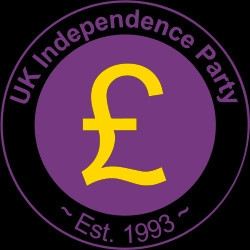
PS They’re not only recycling Farage’s slogans — they’re copying his visuals too.
Same pound sign. Same message: you don’t belong here.
 Postcards from ...