Music, Boundaries, and Two Brazilian Cities That Stretch the Concept of Superdiversity
[This essay was originally published in Futures of Difference substack]
In Salvador da Bahia, music is everywhere. The street vibrates under your feet. Sound comes from multiple places, and as you move it meets you as sonic walls — opposite streams of sound that clash until one dominates.
Sonic Walls and Spaces of Encounter
These soundscapes are not neutral. They are gendered, classed, racialised. Different rhythms and volumes signal different publics. And yet, music is also capable of breaking boundaries.
There is a long history here. Informal and often illegal spaces where enslaved Africans playing their music gradually drew in others. These became spaces of encounter. Not equal spaces — the social hierarchies remained — but places where people shared sound, time, and attention. The poor were still poor, the rich still rich, but something else became possible, even if only temporarily.
That sense of encounter stays with you as you move through the city.
Reading and Being Read in Brazilian Cities
Brazilian cities are diverse, patterned — vertically, when middle-class inhabitants of tall apartment blocks overlook favelas of semi-informal low-rise houses, and horizontally, where adjacent neighbourhoods can have very different ethnic and socio-economic profiles. People meet and cross paths, but not all spaces are equally open. In restaurants, bars, even on boat trips, it often felt clear that there was an invisible gate for who was allowed or welcome to be there.
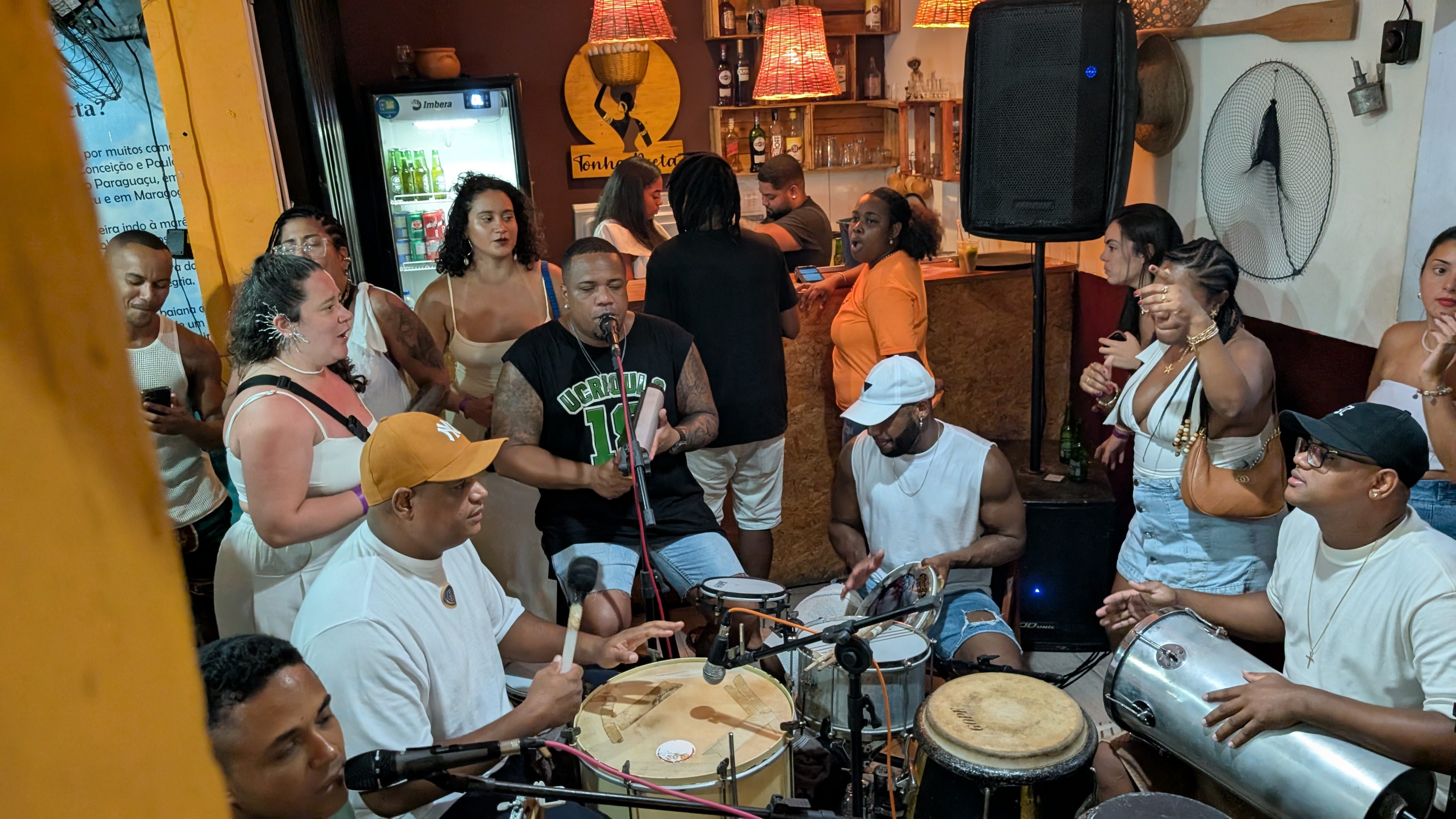
In Rio Vermelho, we went to Tonha Preta, a popular, vibrant place to listen and dance samba. Many employees and customers were Black and Afro-Brazilian youth. I was possibly the only gringo there — at least judging by how easily others knew and sang along to the songs. But perhaps because of the prevalence of unruly curly hair in the room, I felt, for once, not the one standing out.
It made me think about how we are read in different spaces — and how we read them. The same person can stand out in one place and blend into another because of how difference is perceived and organised. Angelo Martins Jr, my colleague at the University of Birmingham and guide for everything Brazilian, tried to explain the nuances of ethnic labels in Brazilian Portuguese, and how they don’t easily translate into English. Different empires produce different regimes of diversity and difference.
“Different empires produce different regimes of diversity and difference.”
Visibility, Invisibility, and the Categories We Bring
In the first few days of my visit, while speaking at a British Academy-sponsored training workshop in Praia do Forte, I found myself reflecting on a recurring feature of my work. Much of it focuses on figures at the margins of membership: racialised and minoritised communities, asylum seekers, irregularised migrants. But in Brazil, something felt different.
I know that migrants and refugees are present in Brazil, including those from neighbouring countries. Yet, as I moved through Salvador and Belém, they were largely invisible to me. Or rather, indistinguishable — blending into a wider ethnic and racial mix that made it difficult, for an outsider on a first visit to Brazil like myself, to identify them in the urban landscape.
That difficulty is telling. The categories through which we identify and sort populations are not natural, but naturalised: we learn them through a myriad of interactions from an early age.
“The categories through which we identify and sort populations are not natural, but naturalised.”
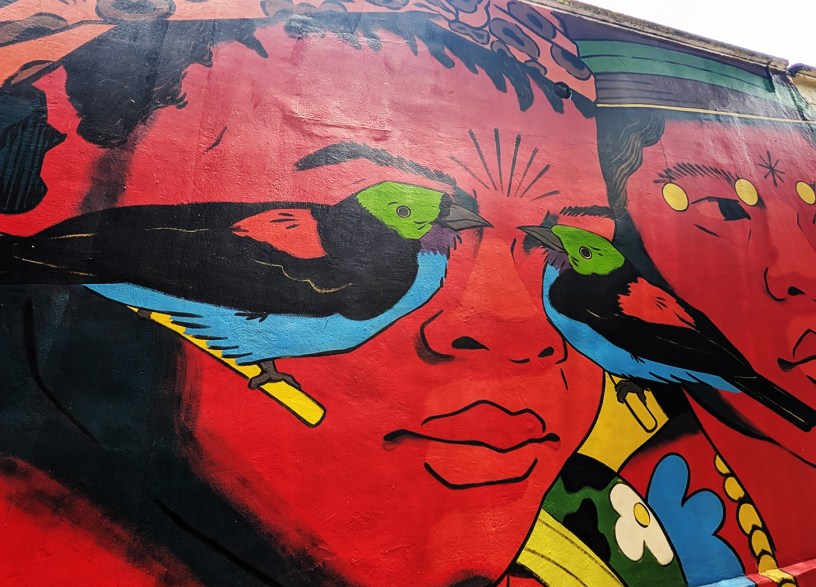
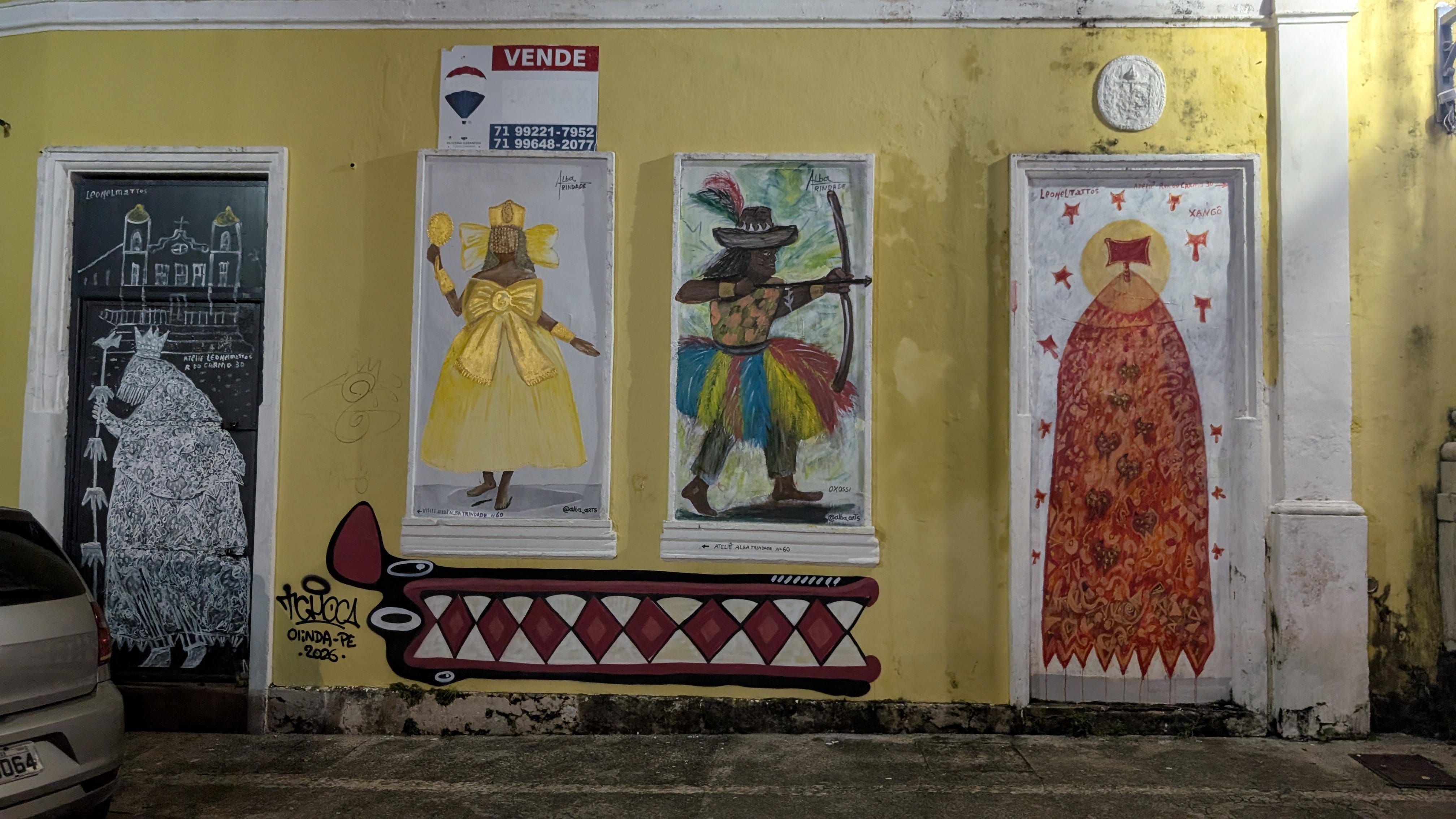
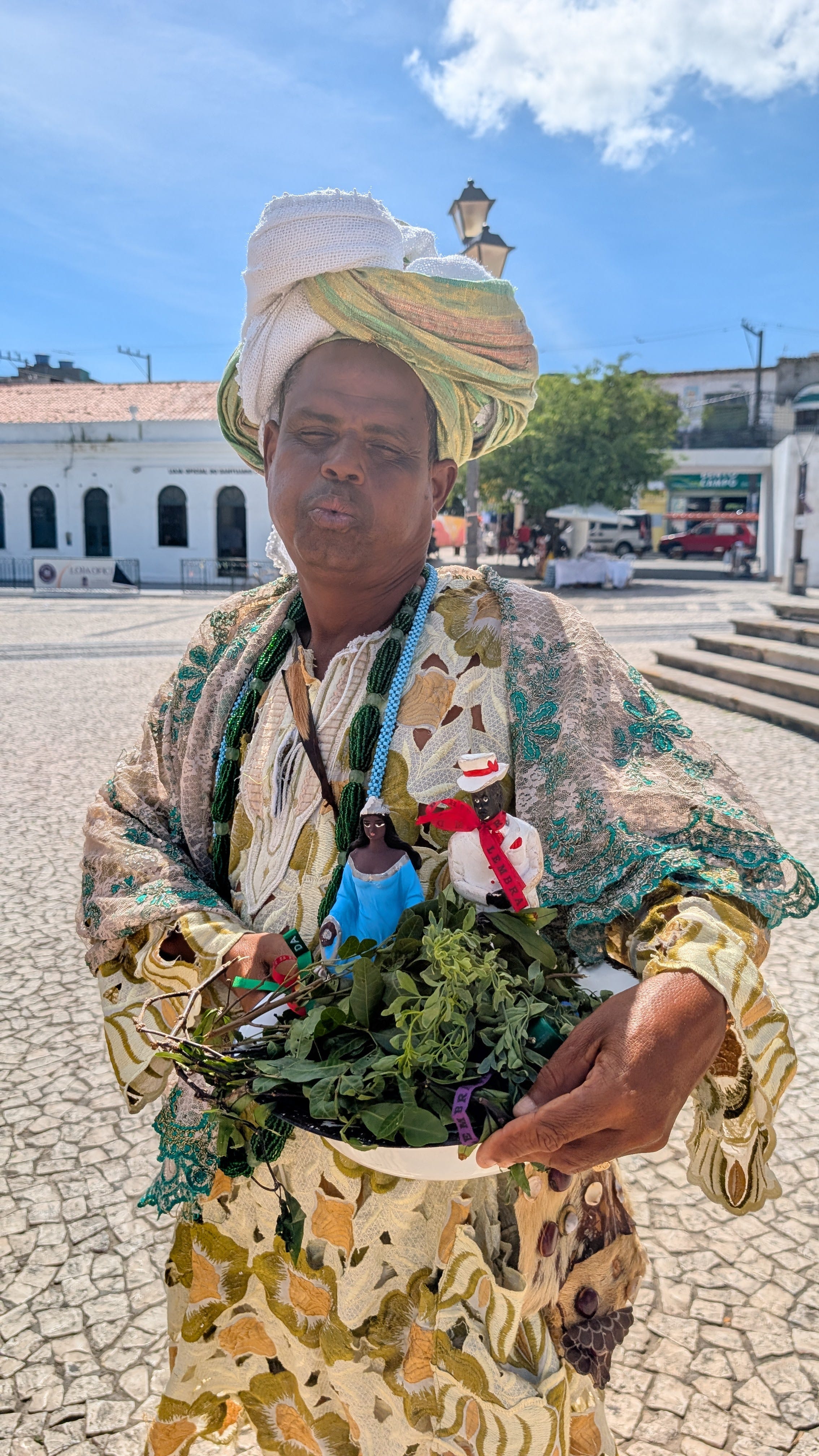
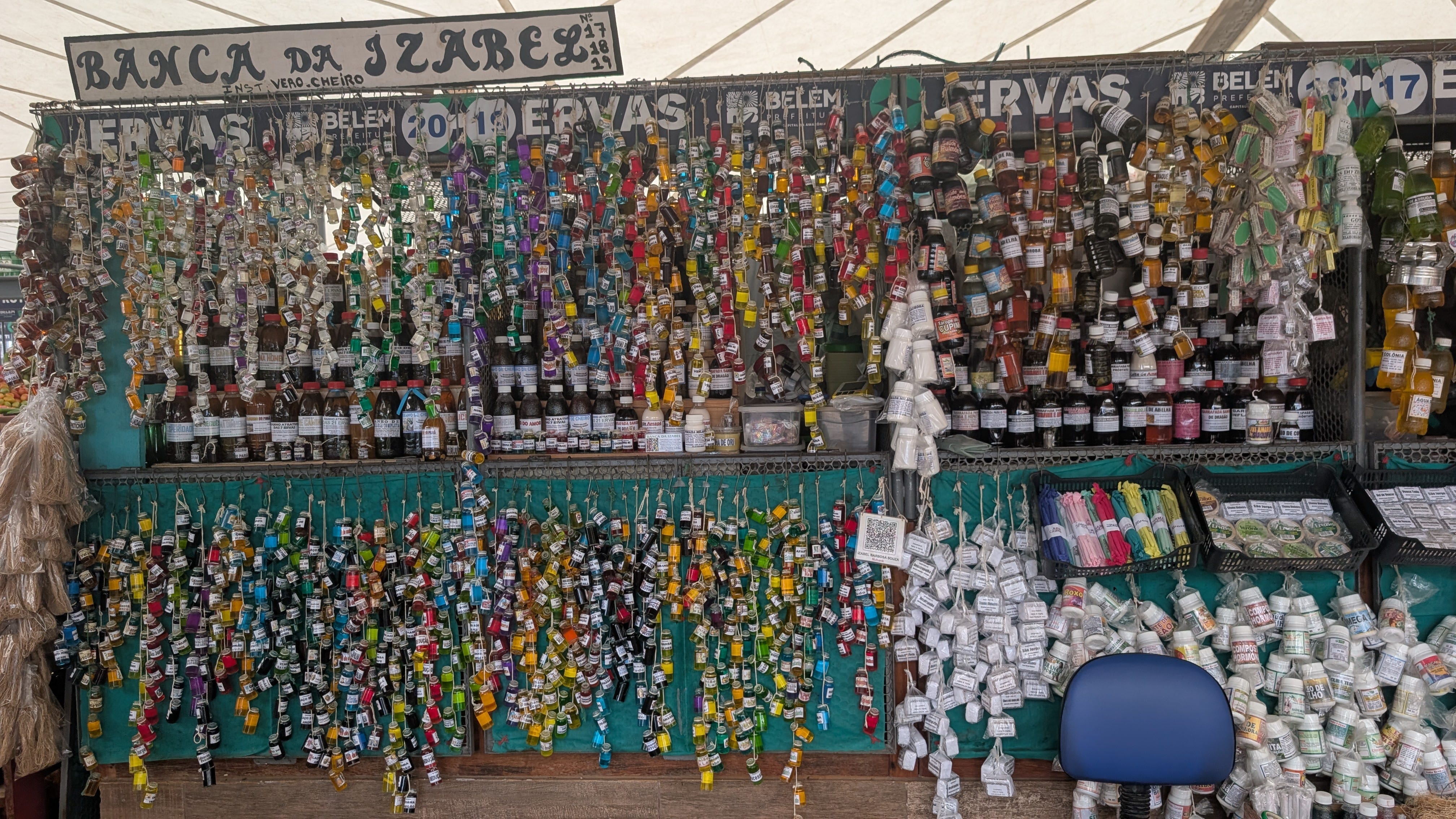
In these cities, other forms of difference are far more visible to an untrained eye. Indigenous communities and Afro-Brazilian identities appear in public discourse, scholarship, and museums, and in the city itself — through street art, capoeira performances, on the stalls of street vendors in Ver-o-Peso market in Belém, and Candomblé rituals and festivals in Bahia.
On a boat trip in the Bay of All Saints, these patterns became visible again in a different way. Our hosts at the Federal University of Bahia (UFBA) had kindly hired a small boat and planned an itinerary for us, including a visit to the newly opened Museum of Recôncavo, a converted plantation manor house. On the way, we briefly stopped to swim near a couple of small beaches. Several boats were doing the same, with a steady coming and going.
Each boat had its own identity. You could see it and hear it in the music they played through large speakers. And they all played music loudly — so loudly that even under water I could hear the competing sound waves.
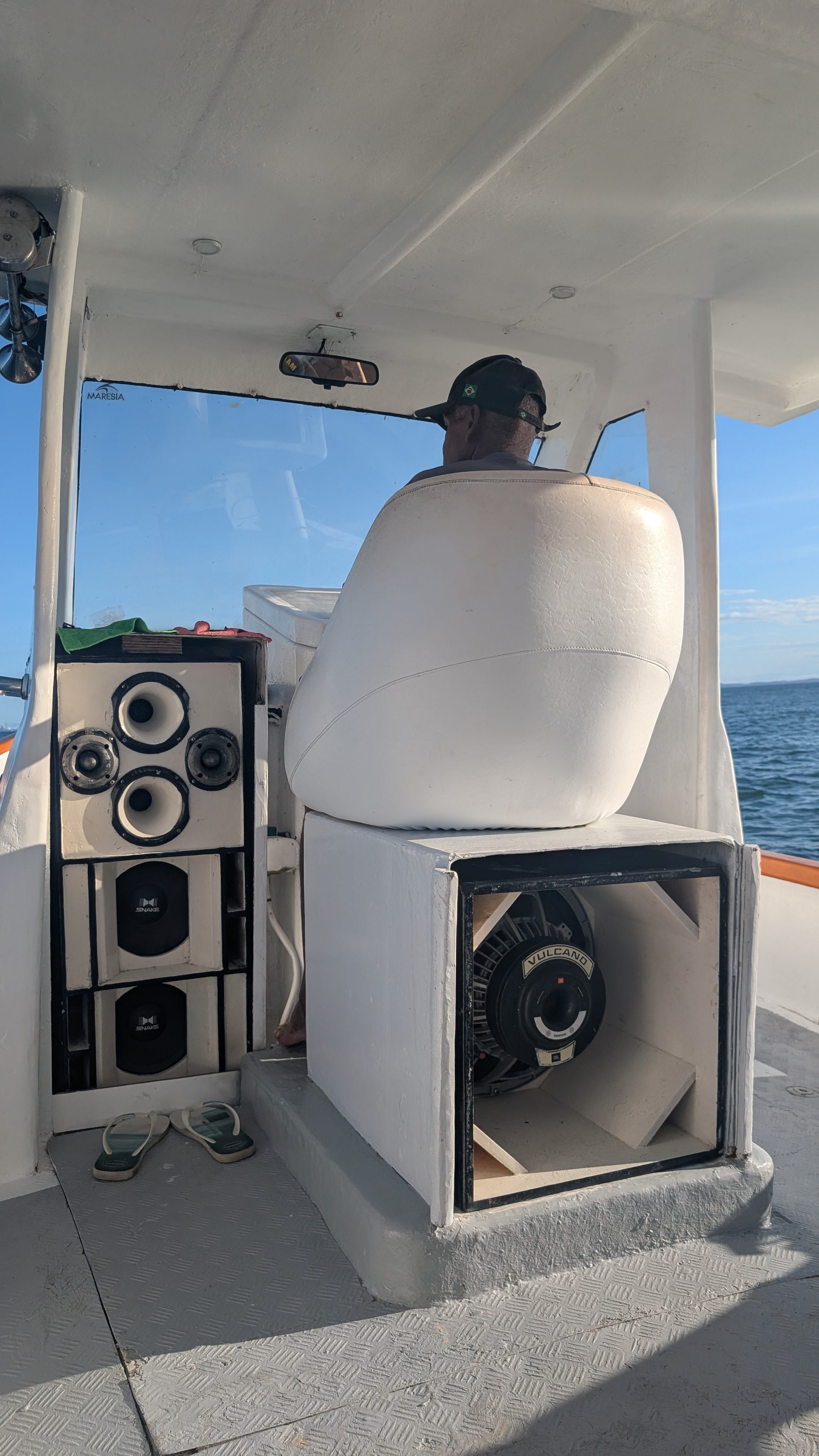
The bay looked shared. But movement through it was structured. Routes, destinations, and atmospheres were not the same for everyone.
Decolonial Frames and the Limits of Translation
These distinctions also surfaced in a different way in the museums we visited in Salvador and Belém. There was a strong decolonial narrative shaping these exhibitions. Indigenous and Afro-Brazilian histories, art and craft, and the violent legacies of slavery, extraction and exploitation were foregrounded.
At the Museu Paraense Emílio Goeldi, Erendira Oliveira, an archaeologist based at the museum and one of our local partners, guided us through the beautifully curated exhibitions. In passing I pointed out the absence of English translations in all the museums we had visited on this trip, and she remarked that this was itself a decolonial statement on the part of the museums.
Her reply stayed with me. I was reminded of a recent conversation I had in Praia do Forte with sociologist Nandita Sharma, in which she problematised uses of decolonial vocabulary that can end up serving nationalist agendas. Rejecting English may challenge global hierarchies of knowledge, but in Brazil, Portuguese is also a colonial language. Even in spaces that aim to rethink history, the question of who is being addressed — and on what terms — remains open.
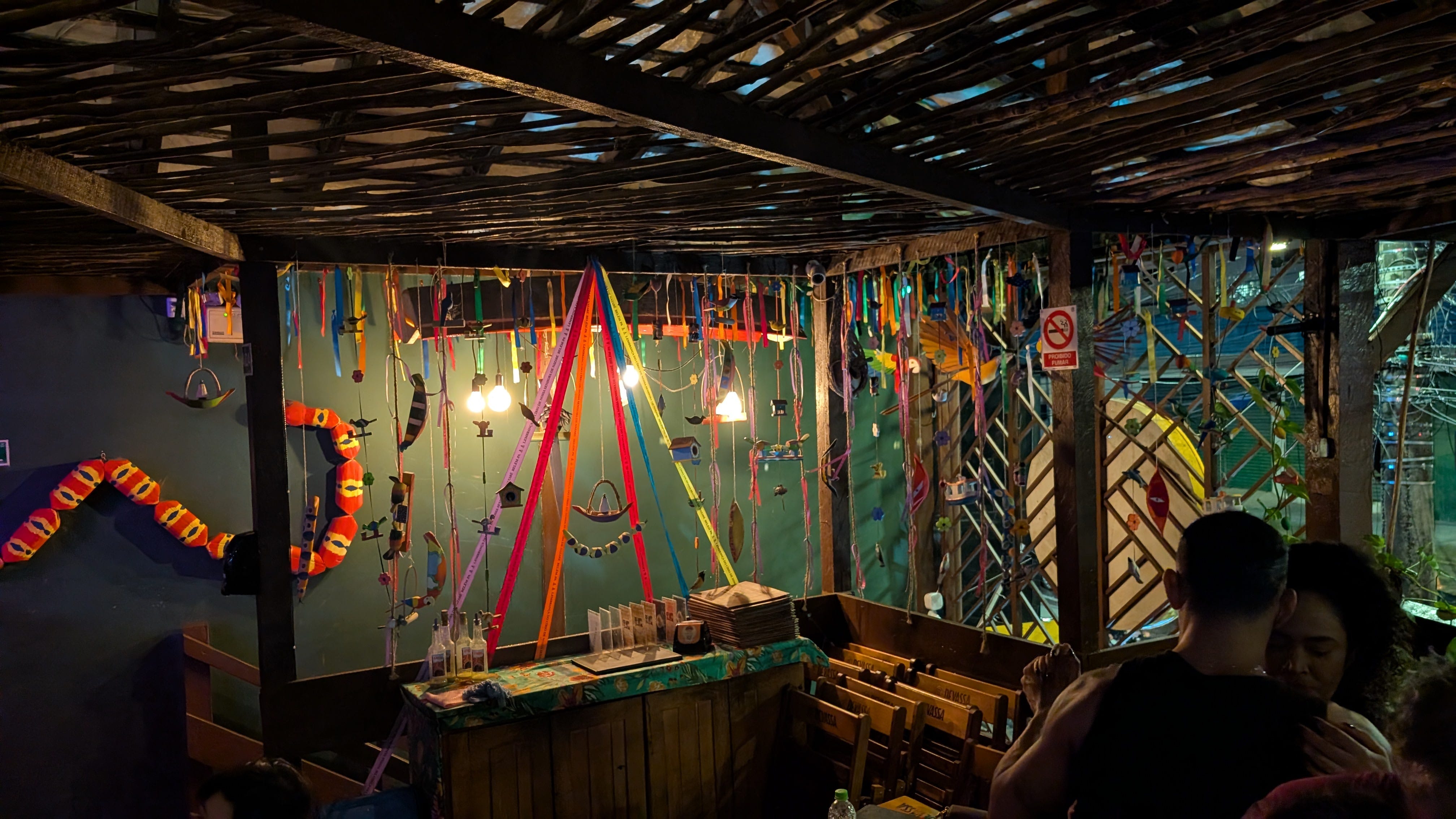
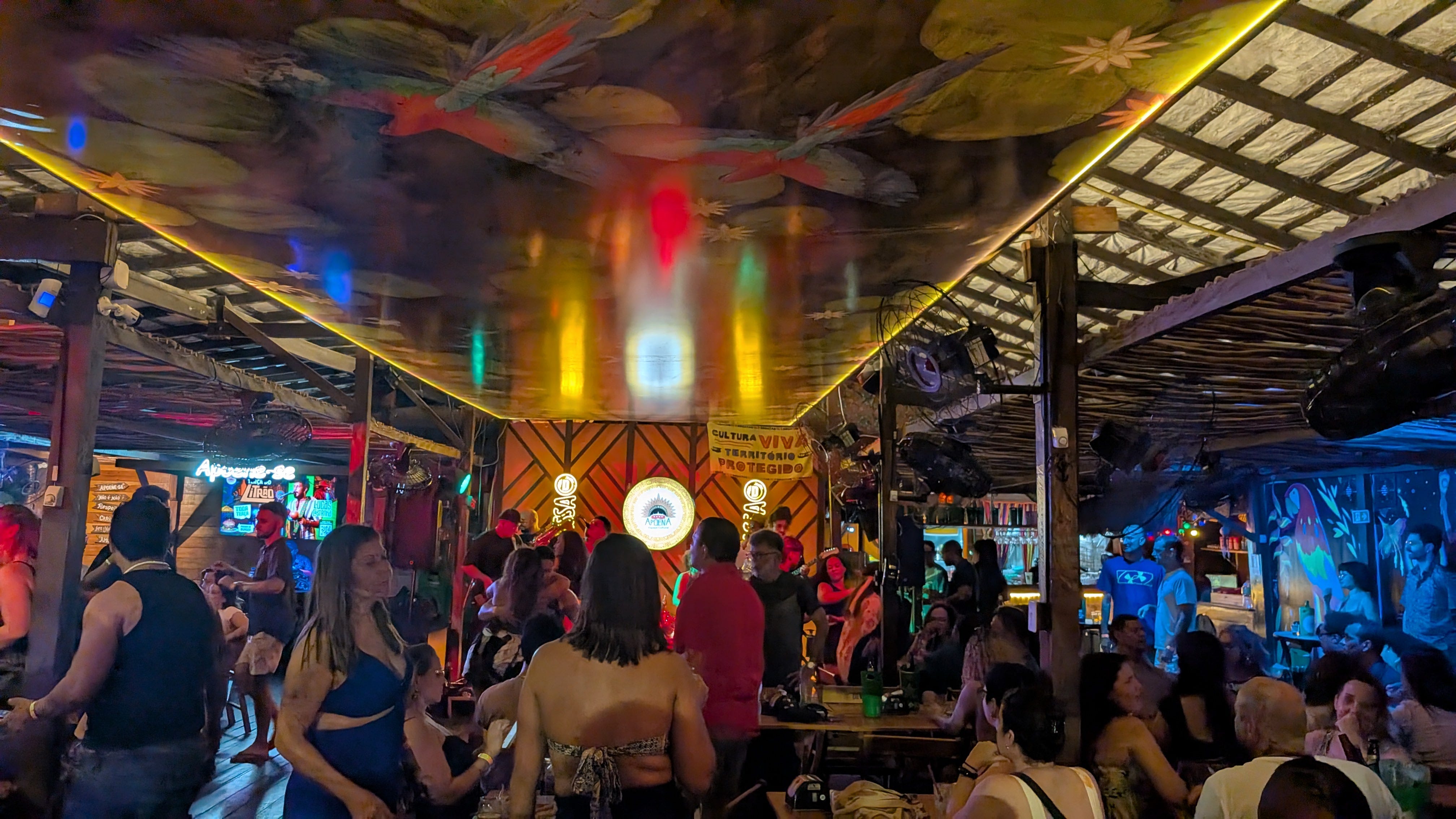
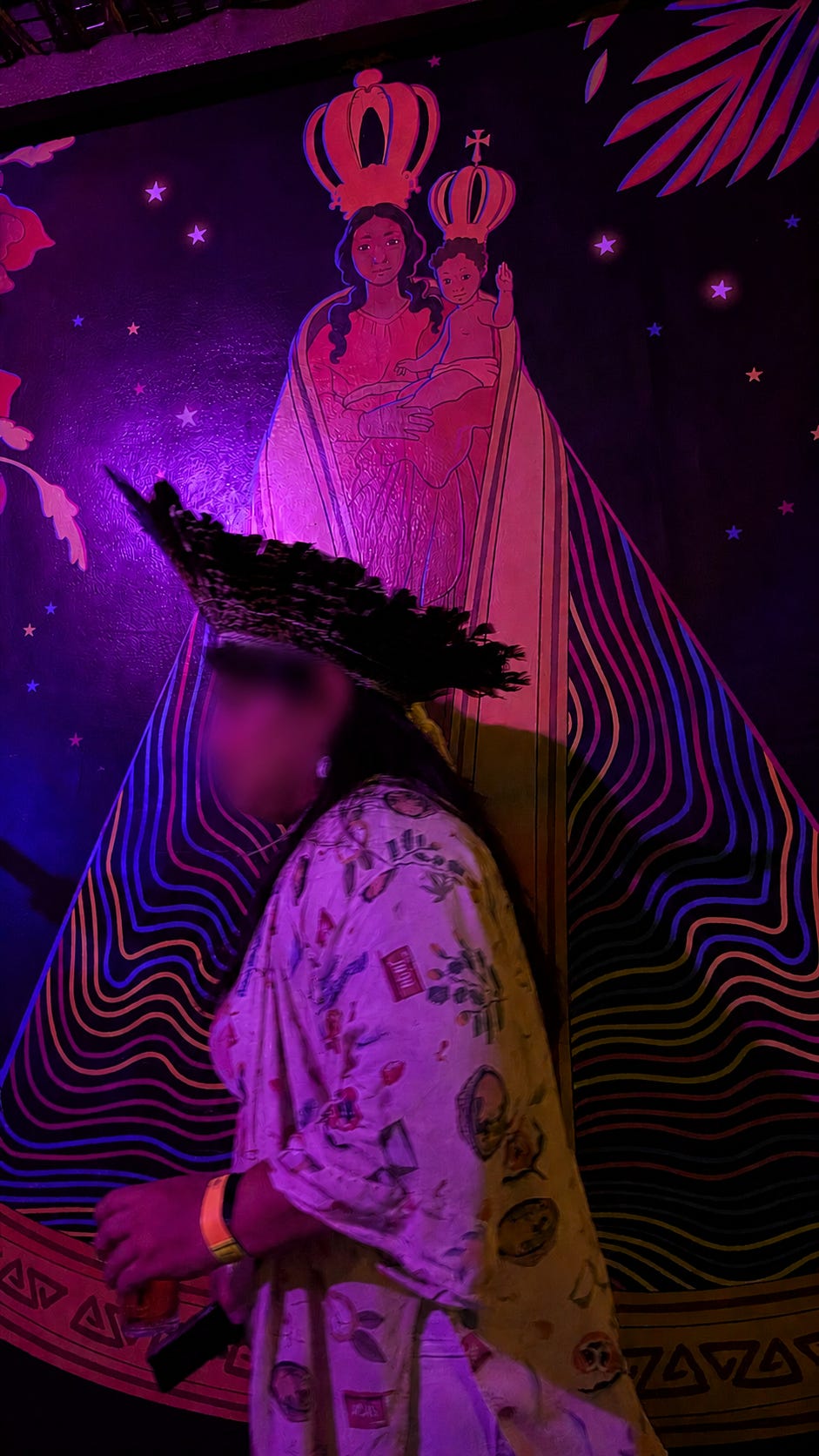
On my final night in Belém, we went to Apoena Espaço Cultural. It is a live music restaurant and dance hall, but also a cultural space. The decolonial framing is present here too, but not primarily through messages. It comes through the use of indigenous ingredients in the menu and cocktails, and in the colourful motifs and decorations inspired by indigenous art.
Inside, what takes over is the music. That night it was brega, a genre of sentiment and heartbreak. Not obviously political. The space was full, including some guests wearing indigenous ornaments and face painting. People of all ages were dancing in pairs, switching partners, for the joy of dancing. Dance becomes a space of sharing, of performing a different sense of the common.
This is not a space where inequality disappears. The wider structures remain in place. But for a moment, people share time, movement, attention. Not because difference is resolved, but because it is lived differently.
On my way back to the UK and IRIS, I realise that looking at cities like Salvador and Belém makes visible something that is often flattened in readings of urban superdiversity focused on European cities, which privilege a focus on the present and reduce diversity to more migrants from more places, despite the concept always encompassing more than that. As I have remarked elsewhere, what matters is why some forms of difference come to matter at specific historical junctures, and how they persist and overlap with others — shaped by complex and non-linear colonial histories, labour regimes, and political projects.
In London, which inspired Steven Vertovec’s initial formulation of the concept, the emergence of superdiversity is closely tied to globalisation, its politics of difference and political economy. In Salvador and Belém, superdiversity has different characteristics; it is tied to different histories of colonialism, slavery, religious syncretism, race relations, extraction, displacement, and internal mobility.
It is in these layers — in how they overlap and persist — that belonging takes shape for immigrants, refugees, and citizens alike.

